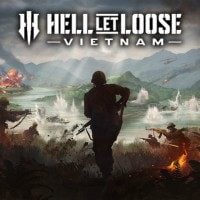
In 2019, Black Matter studio released their online shooter titled Hell Let Loose as part of early access. The game was very warmly received by players and reviewers, and over time it gave rise to a brand developed by its publisher - Team17. The action of the original game was set during World War II, but its sequel titled Hell Let Loose: Vietnam (made by Expression Games) allows us to participate in the Vietnam War.
Gameplay
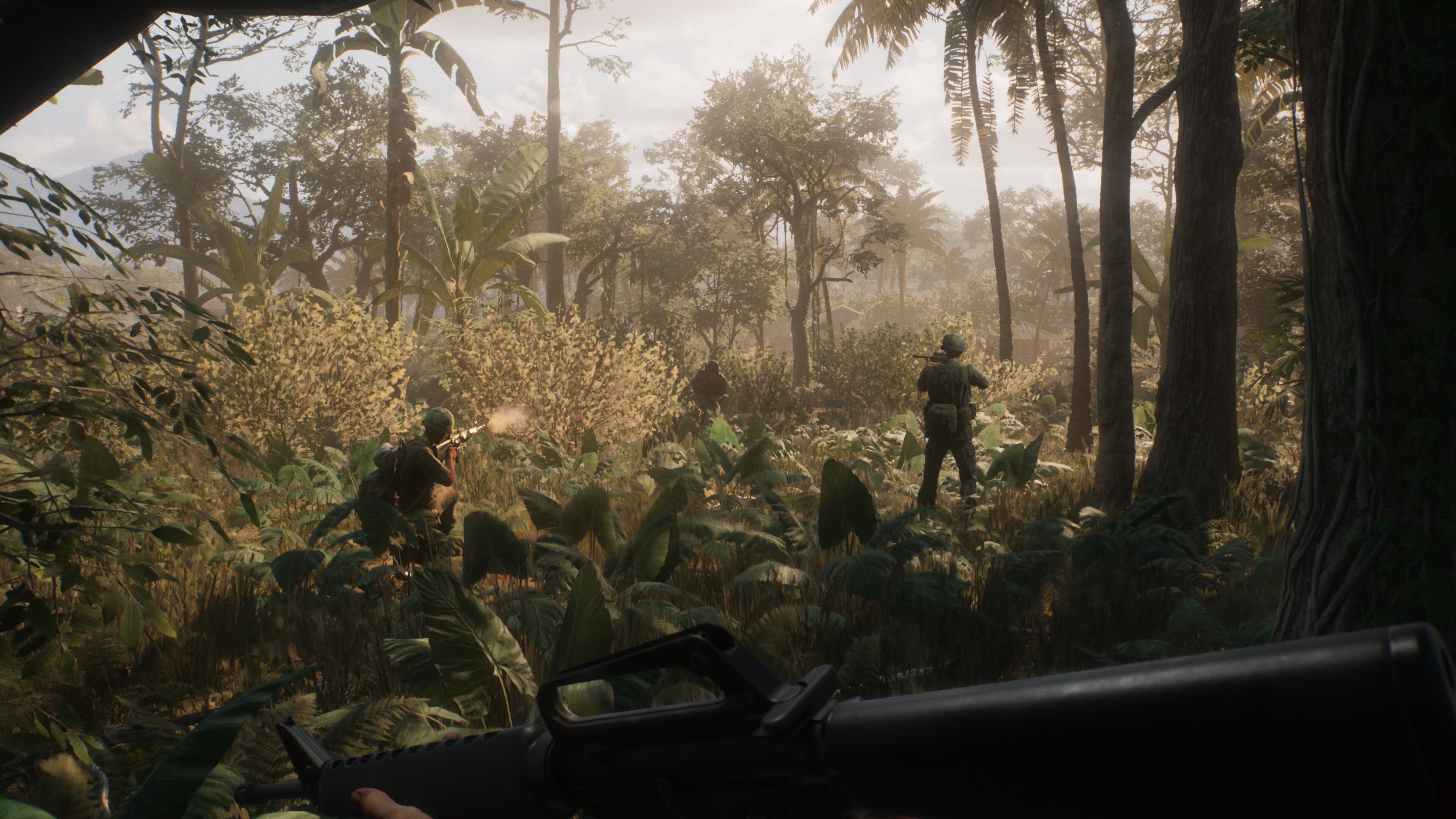
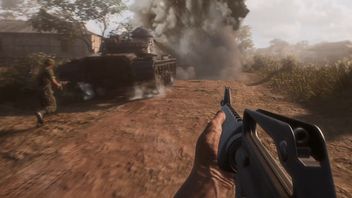
In Hell Let Loose: Vietnam we watch the action from a first-person perspective (FPP). The pillar of the game is taking part in multiplayer battles involving two 50-person teams. The game allows us to fight on the side of the United States Army, as well as to embody the soldiers of North Vietnam.
Sides of the conflict and roles on the battlefield
Choosing a side in a conflict is important because they differ in terms of combat capabilities. While Americans may make use of helicopters, the Vietnamese are capable of digging underground tunnels and attacking by surprise.
Regardless of which side of the barricade we stand on, we must respect the chain of command and also make good use of the opportunities offered by the role we have chosen. These last ones were grouped according to six combat units: command, infantry, reconnaissance, armored unit, mortar unit, helicopter (available only for the United States Army).
Maps, vehicles and combat
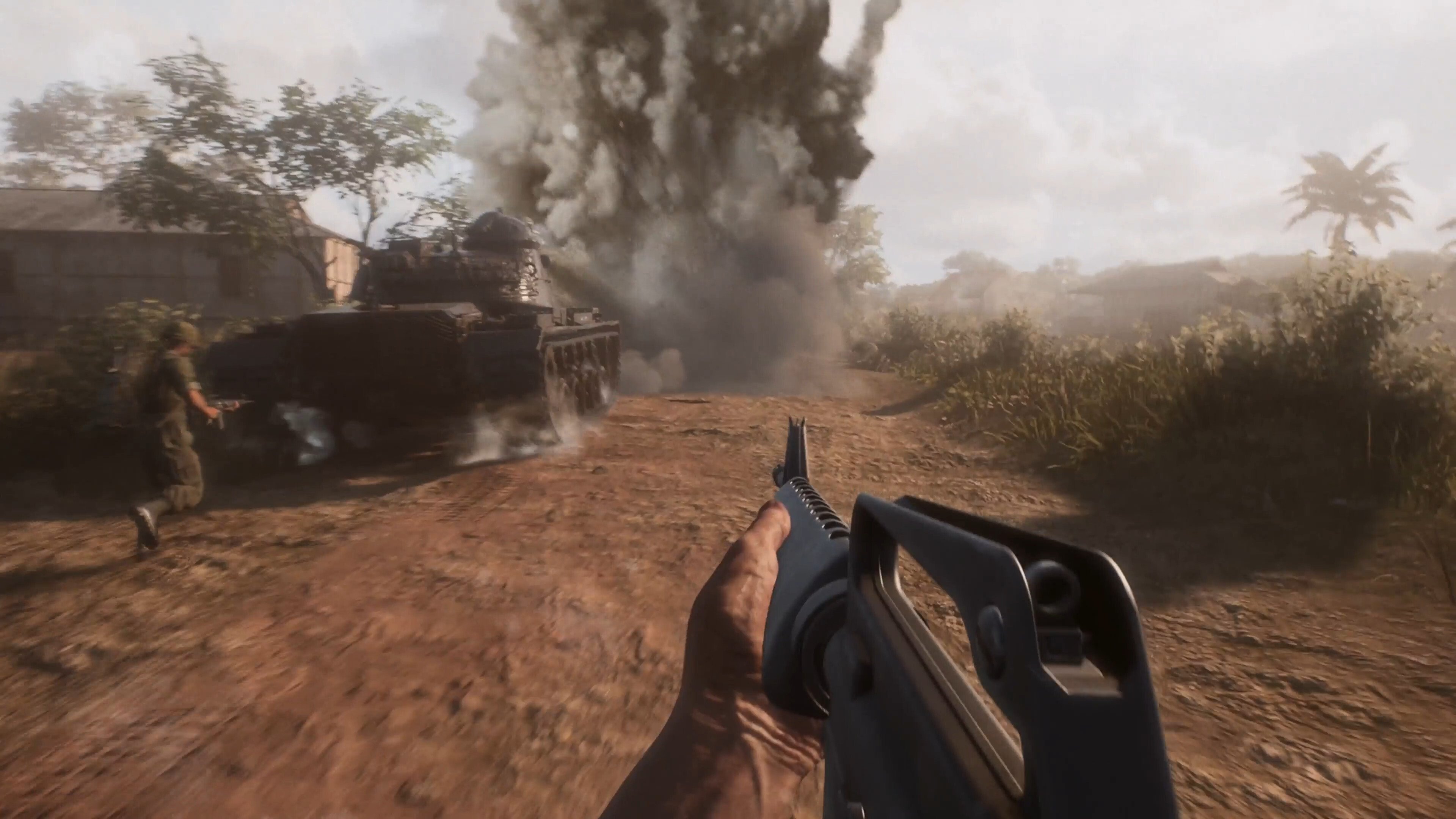
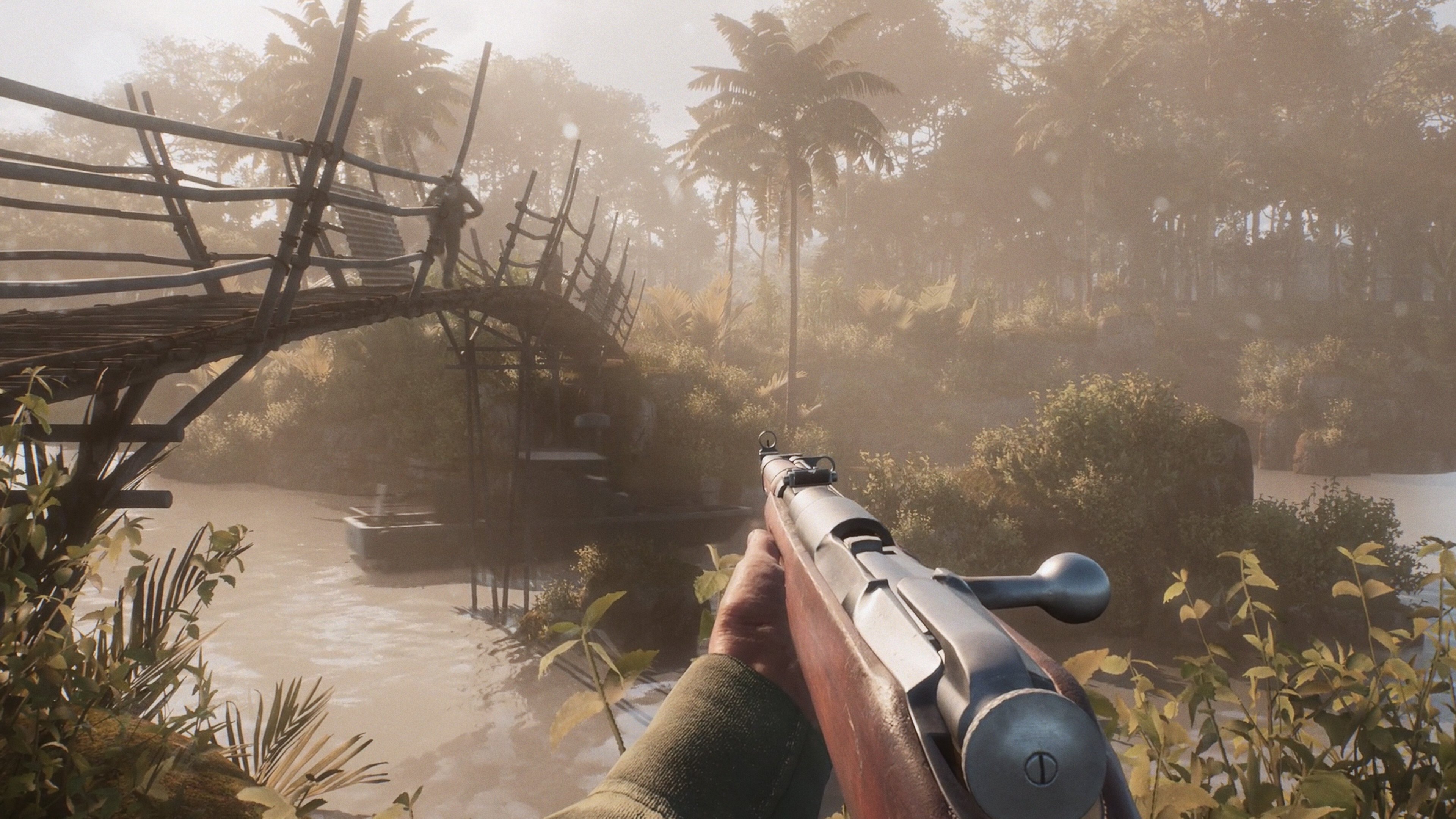
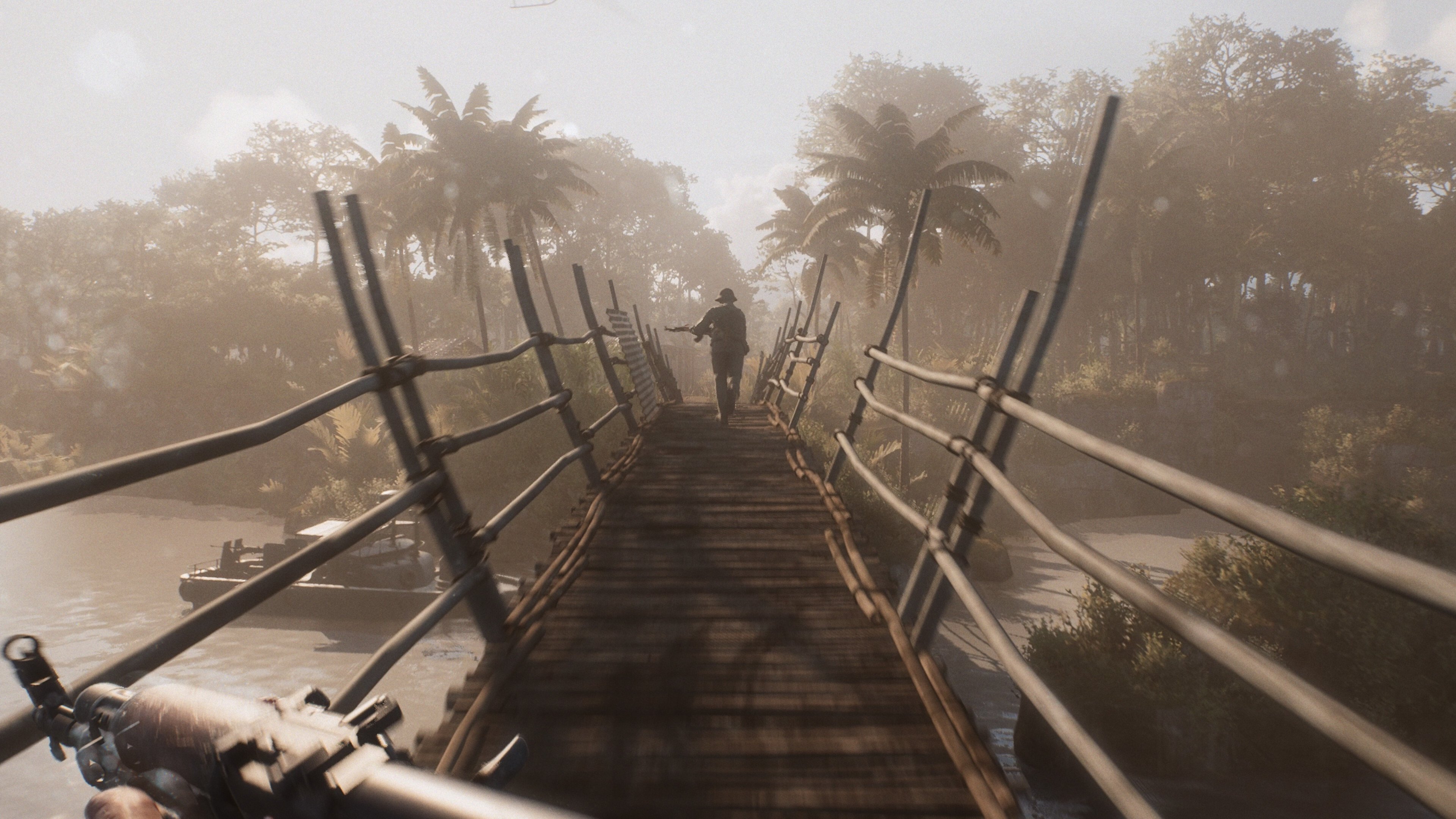
The gameplay takes place on diverse, vast maps, among jungles and canyons or in river valleys. We travel on foot, using vehicles and machines, as well as boats. We can also swim, climb on environmental elements, crawl, and pull allies away from the line of fire. On the battlefield, we make use of weapons from the era. The developers made an effort to reproduce them as accurately as possible. The key to success here is cooperation with the rest of the squad and efficient execution of orders.
Game modes
Hell Let Loose: Vietnam was developed exclusively for online multiplayer gameplay. Among the available modes Warfare (in which we fight for control over sectors) and Offensive (where one team attacks and the other defends itself) are the most important ones. The revamped tutorial introduces us to the intricacies of the gameplay.


![[1:02] Hell Let Loose Vietnam - Release Date Announcement Trailer](https://cdn.gracza.pl/galeria/filmy/640x360/-1796620609.jpg)